Practical systems for growing people and improving talent work.
I help lean learning, development, and talent teams create practical intake, triage, and workflow systems so people work is easier to capture, prioritize, explain, and improve.
Good people work needs more than good intentions.
Many lean teams are responsible for learning requests, development programs, manager support, performance conversations, and talent processes without enough time, structure, or support.
The work often comes in through scattered emails, meetings, Teams messages, side conversations, and vague requests like, “Can you make a training?”
That makes it hard to know what to prioritize, what needs more discovery, what connects to business goals, and what should move forward.
Practical Talent Systems helps turn scattered learning, development, and talent work into simple systems your team can actually use.
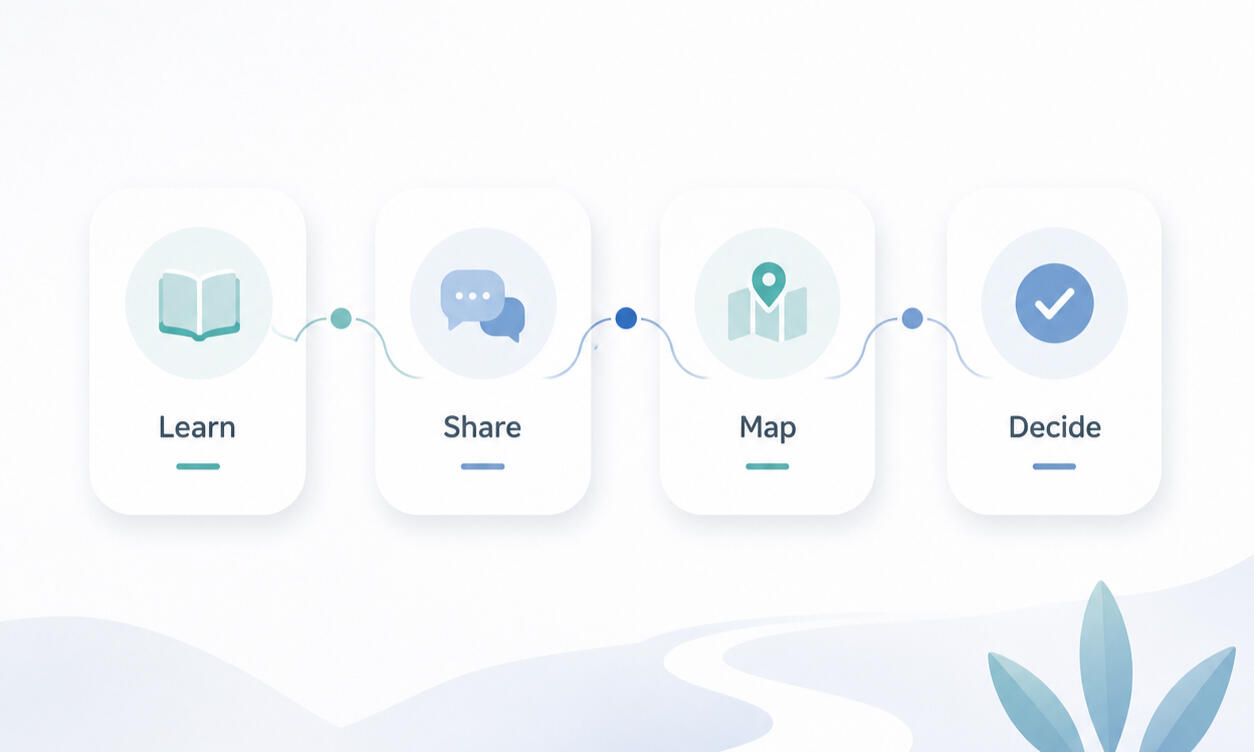
Support for small businesses, HR teams, and L&D leaders.
Small businesses building better people-development systems.Lean HR teams responsible for learning, talent, or employee development.
One-person or small L&D/talent teams trying to scale without adding headcount.
HR or L&D leaders who need an outside perspective on what is working, what is stuck, and what should improve next.
One thread at a time
When teams make the decision to improve there talent systems it give advantage. This make the work clearer, easier to run, and easier to improve.I help teams improve the practical systems behind learning, development, and talent work, including:-Learning and development intake.
-Work request triage.
-Manager and employee development workflows.
-Talent and people-process tracking.
-Program launch and follow-up workflows.
-Stakeholder communication.
-Templates, checklists, and simple playbooks.-AI-supported workflow opportunities.The goal is not to overbuild. The goal is to make the work clearer, easier to run, and easier to improve over time.
Start simple, then Sacle
By focusing on improving your talent and learning systems, you remove stress from your teams, create order and give yourself something improve on. A lot of teams don't even know where to start when trying to improve, by looking there ststresm, if gives them place to go areas to improve on and focus.
How we can help: Simple support for organizing learning, development, and talent work.
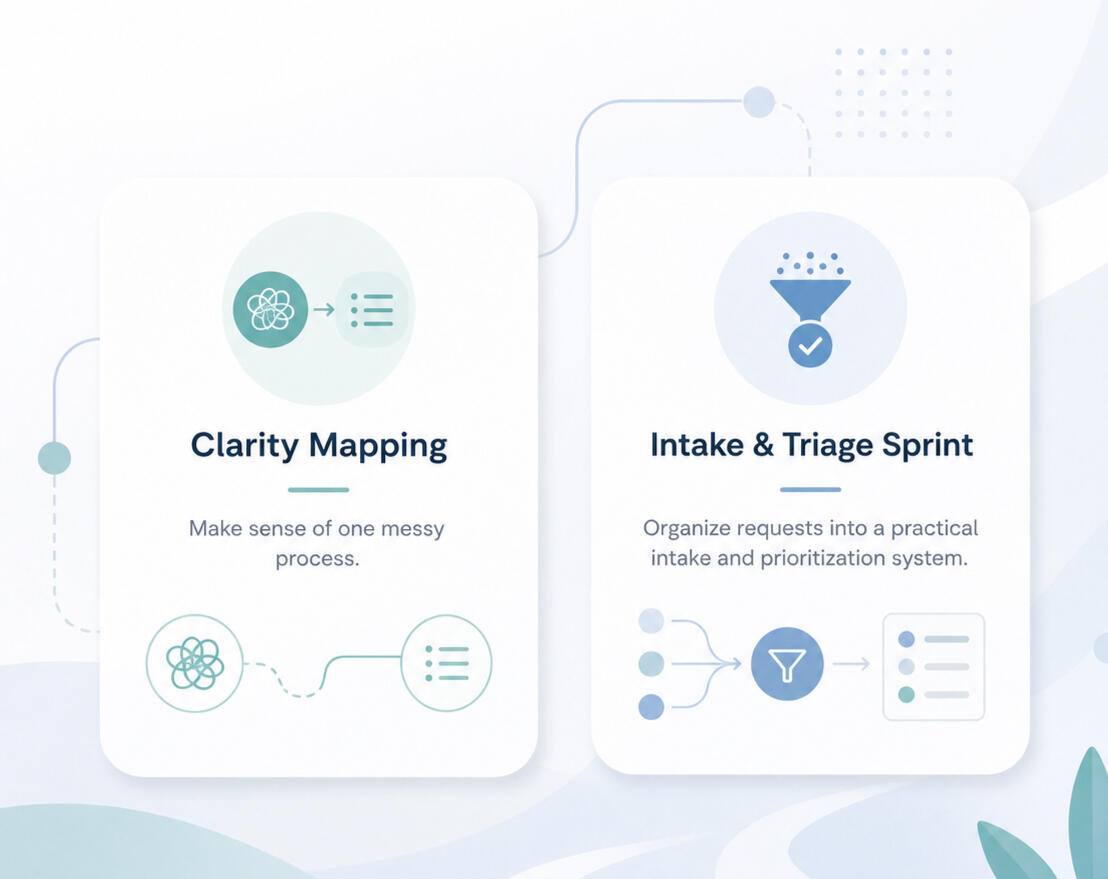
Clarity Mapping Session
A focused advisory session to help you make sense of one messy learning, development, or talent process.
This is best when you need to talk through what is happening, identify the real friction points, and leave with a clearer direction before building anything bigger.
You walk away with a simple process map, key pain points, better questions to ask, and practical next steps.
Practical Talent Systems Sprint : Intake & Triage Sprint
A short done-with-you sprint for lean teams that need a better way to capture, sort, prioritize, and respond to learning, development, or talent requests.
This is best when requests are coming from too many places and your team needs a simple system for deciding what moves forward, what needs more discovery, what can wait, and what may not be a learning or talent solution at all.
You walk away with a practical intake and triage system your team can start using.
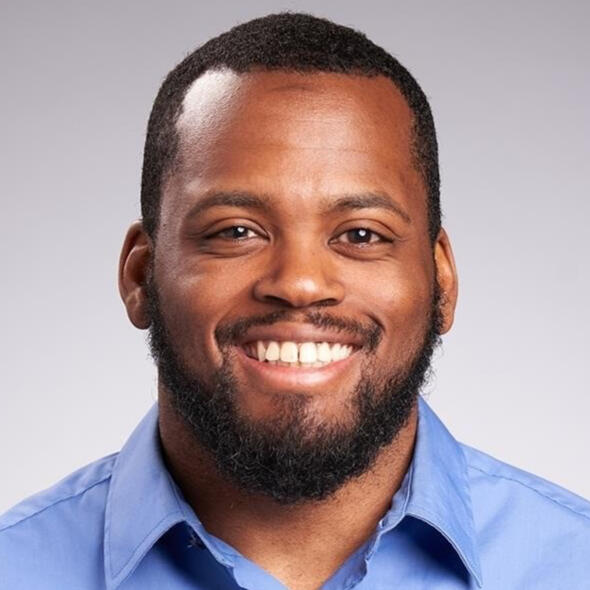
About Me - Sean Scott
Hi, I’m Sean. Practical Talent Systems is about helping the people who support the most important part of any business: people.My love of systems comes partly from my CliftonStrengths theme of Restorative. I naturally enjoy understanding problems, finding what is getting in the way, and creating practical ways to move forward.I bring more than 10 years of experience across learning and development, football coaching, customer service, onboarding, facilitation, project management, and talent development. I have worked as a one-person talent development team, led learning facilitators, and partnered with frontline employees, clients, senior leaders, and CEOs.My approach is simple:Start small. Understand the problem before trying to fix everything.Talk to the people who use the system. The people managing it and the people experiencing it often see different issues.Create clear actions. Cut it, keep it, improve it, or research it—but do not let it sit.Challenge the system. Build in regular reviews so the system continues to serve the people using it.Systems should make work easier, not create more work. My goal is to help learning, development, and talent teams create clearer ways of working so they can spend more time helping people grow.
Want more information?
Reach out!
Tell us about your talent systems, and how we can help!